
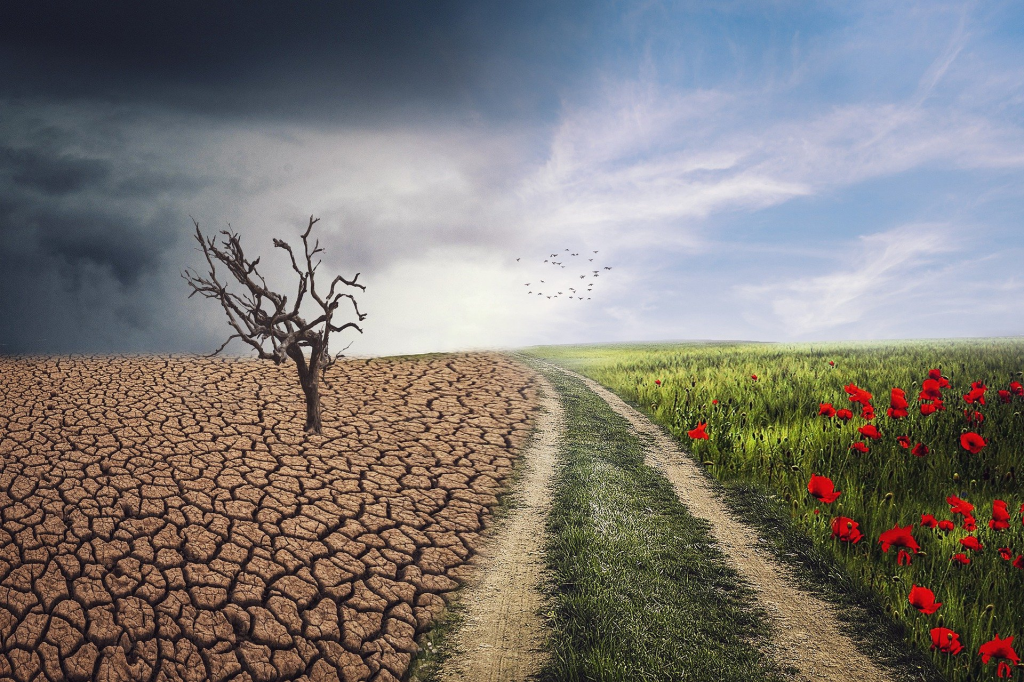
When people hear the words climate change, they often expect statistics, political arguments, or scientific debates. But Our Future World: Caring, Sustainable, Biodiverse by Alan Emery goes far beyond that.
This book is ultimately about people.
It is about the future humanity is building right now, often without fully realizing the consequences of the choices being made every day. Alan Emery examines environmental collapse, biodiversity loss, economic imbalance, and global instability, but what makes the book truly compelling is the human perspective behind those discussions.
Rather than approaching the subject with anger or hopelessness, Emery writes with concern, curiosity, and a genuine desire to inspire change. Throughout the book, readers are reminded that the future is not fixed. The systems currently shaping society can still evolve if people are willing to rethink priorities, leadership, and the relationship between humanity and nature.
One of the most interesting aspects of the book is its balance between warning and possibility. Emery openly discusses the risks facing the modern world, including resource shortages, environmental damage, economic concentration, and political instability. At the same time, he presents realistic pathways toward building communities that are more cooperative, sustainable, and resilient.
The book repeatedly returns to one important truth: humanity cannot survive long-term by continuing to separate itself from the natural world. Healthy ecosystems, biodiversity, clean energy, and sustainable living are not optional ideals for the future. They are necessities.
What also makes Our Future World stand out is the depth of thought behind it. The book combines scientific understanding, historical perspective, economic observations, and philosophical reflection into one larger conversation about civilization itself. It challenges readers to think beyond short election cycles, market trends, or temporary conveniences and instead consider what kind of world future generations will inherit.
There is a sincerity in Emery’s writing that feels increasingly rare. The book does not read like a corporate report or a detached academic lecture. It feels personal. It feels urgent. Most importantly, it feels honest.
In many ways, Our Future World asks readers a difficult but necessary question:
What kind of future are we willing to leave behind?
For readers interested in sustainability, environmental responsibility, social progress, or simply thoughtful discussions about humanity’s future, this book offers far more than criticism. It offers perspective, reflection, and the possibility that meaningful change is still within reach.
Some books simply describe the world as it is.
This one asks what the world could become.